
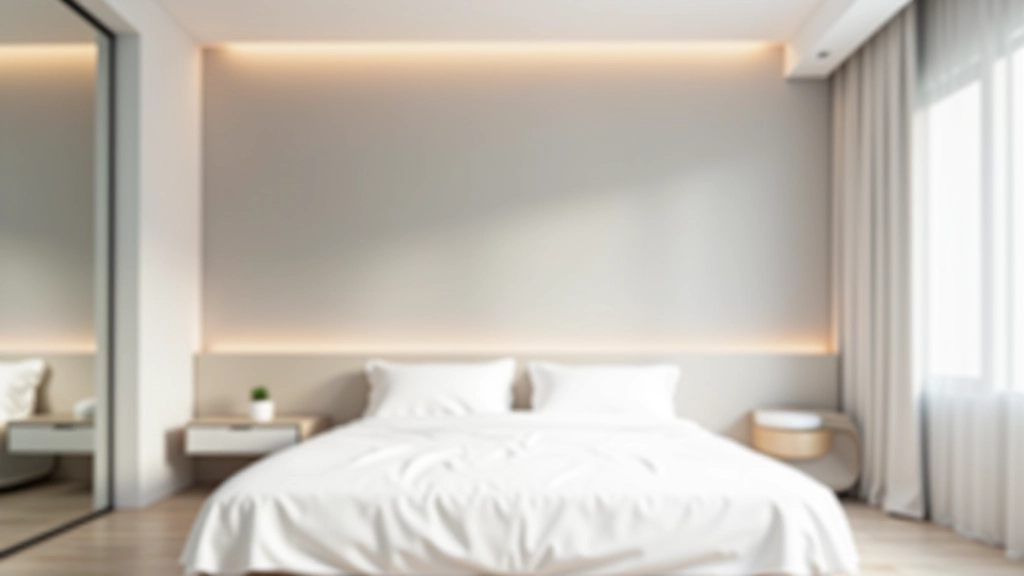
Why Color and Light Matter in Small Spaces
You’ve probably felt it before — walking into a room that feels cramped even though the square footage isn’t terrible. It’s usually not the actual size. It’s the colors and lighting working against you. Dark walls absorb light, making rooms feel heavier and smaller. Poor lighting creates harsh shadows that emphasize tight corners.
Here’s the thing: you don’t need to knock down walls or renovate your entire place. Strategic color choices and smart lighting can transform how a space feels. A 300-square-foot flat can genuinely feel like 350 when you get this right. It’s not magic — it’s psychology combined with practical design.
In Kowloon micro-apartments, we’re working with what we’ve got. The goal isn’t to pretend the space is bigger than it is. It’s to make it feel comfortable, open, and welcoming. That’s where color and light become your best tools.
The Foundation: Light Colors Work
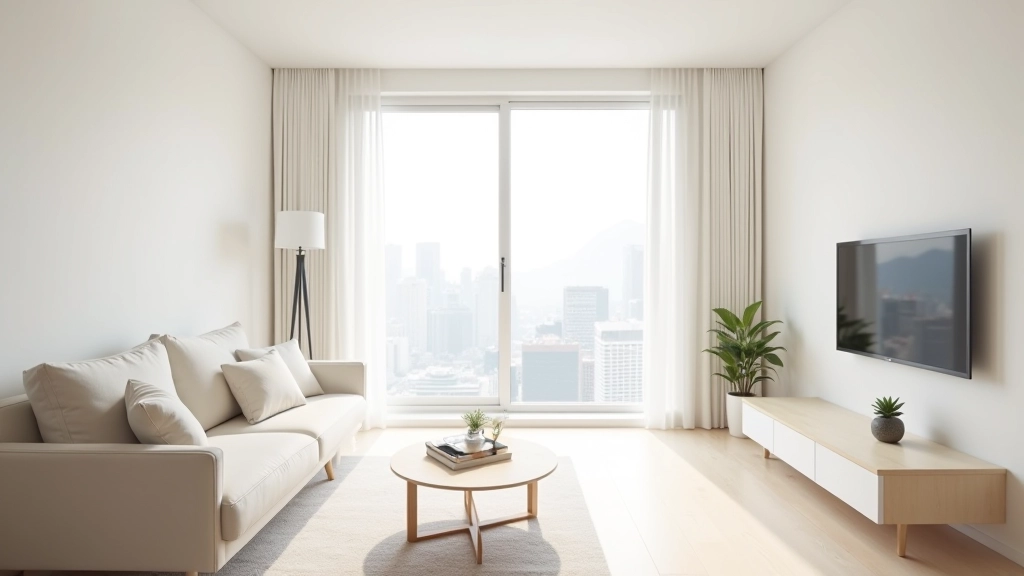
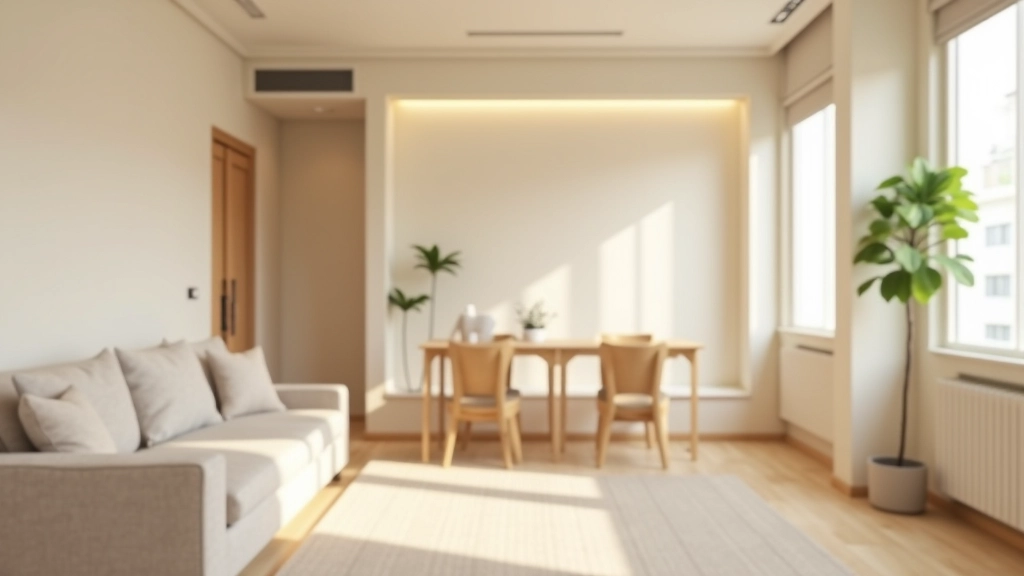
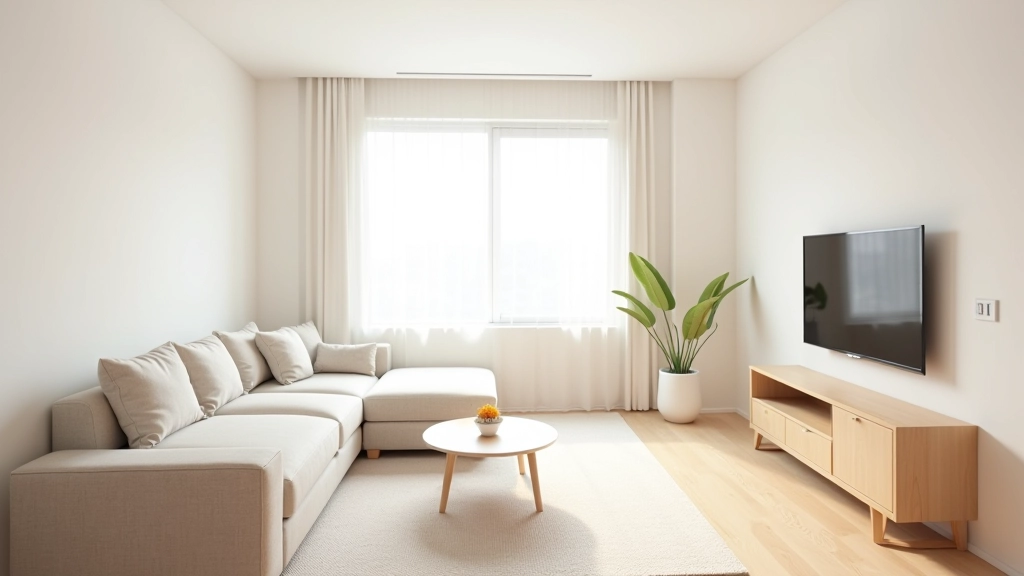
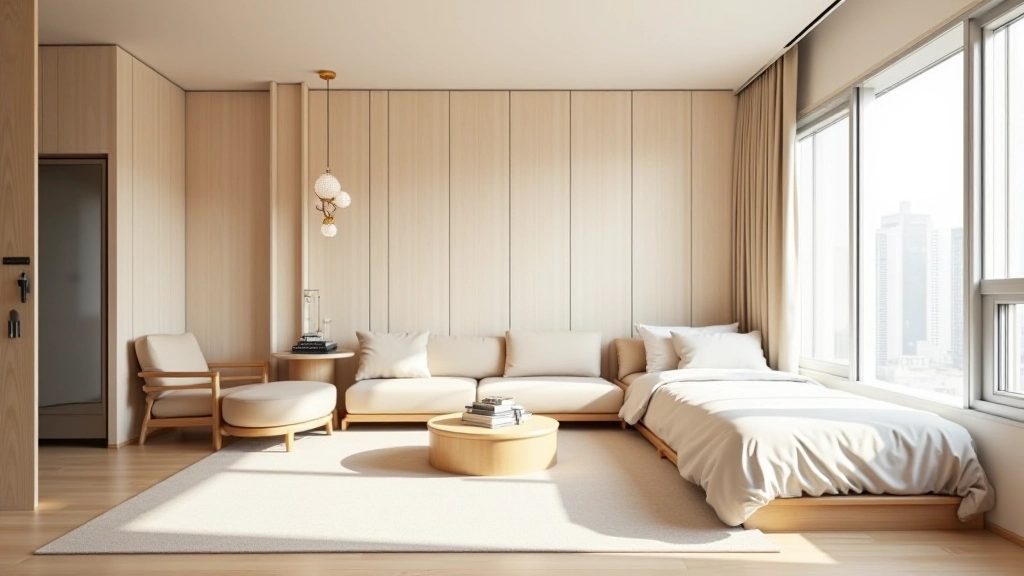
This isn’t revolutionary advice, but it works because it’s backed by how our brains process visual information. Light colors — whites, creams, soft grays, pale blues — reflect light instead of absorbing it. That reflection bounces around the room, literally making it brighter and more open.
Don’t go full white though. Walls that are pure white can feel sterile and cold, especially in compact apartments where you’re spending lots of time. Instead, consider off-whites like ivory or cream. They’ve got warmth while still being reflective. Soft grays work beautifully too — think #d4d4d8 or lighter. You’re getting light-reflection without the clinical feeling.
Here’s a practical tip: paint your ceiling the same color as your walls, or even slightly lighter. Most people leave ceilings white while walls are darker. This creates visual separation that makes rooms feel boxed in. When ceiling and walls match, the eye travels upward, and the space feels taller.
About This Guide
This article provides educational information about interior design principles and spatial design techniques. Information presented is for learning purposes. Results vary based on individual spaces, building conditions, and implementation. Always consult with a qualified interior designer for personalized recommendations specific to your apartment layout and structural conditions.
Strategic Accent Colors
Light neutral walls are your base. But a room with only beige and white? That’s boring and honestly kind of depressing. This is where accent colors come in. You’re not adding dark or heavy colors to the whole room. You’re placing them strategically in small doses.
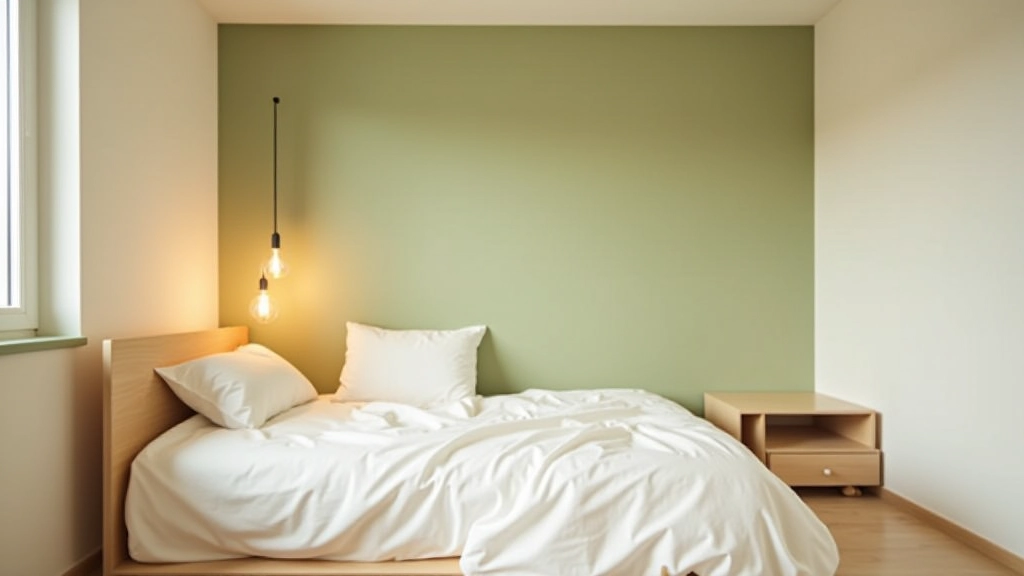
Think of a single accent wall — maybe behind your bed or sofa. A soft sage green, dusty blue, or warm taupe. It adds personality without overwhelming the space. Keep the rest of the walls light, and suddenly that accent wall creates depth without making the room feel smaller. You could also use accent colors through textiles — throw pillows, a blanket, artwork — rather than painting. This gives you flexibility.
The key is proportion. Your light colors should be about 60-70% of the room. Neutrals maybe 20-30%. Accents just 10%. This ratio keeps the space feeling open while adding visual interest.
Layered Lighting: More Than One Source
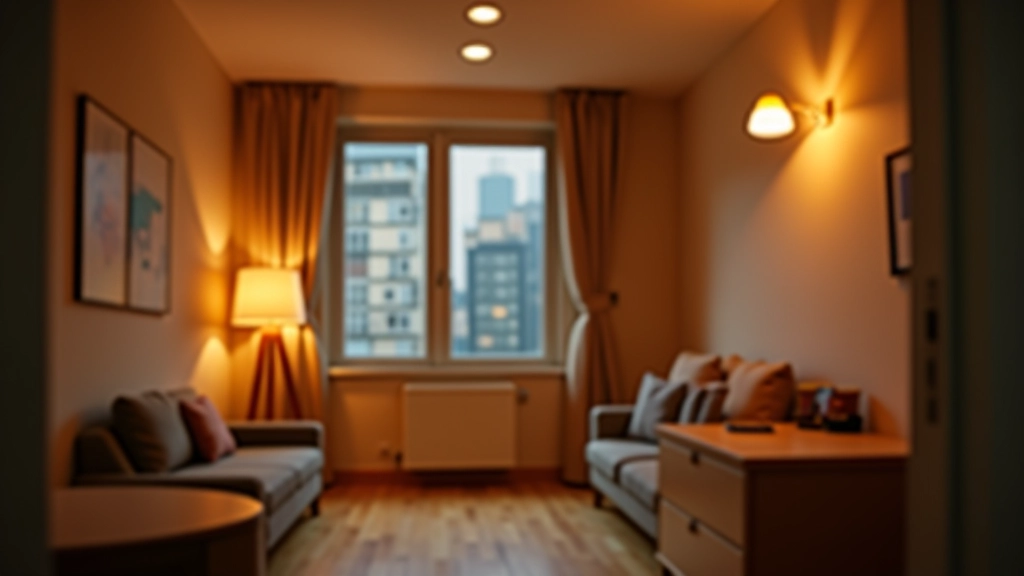
Here’s what kills small spaces: single overhead light. You flip the switch, harsh shadows appear, and the room feels like a basement. Instead, you want layered lighting — multiple sources at different heights and intensities.
Start with ambient lighting (the overall room light), but make it softer. A ceiling fixture with a dimmer is ideal. Add task lighting where you actually do things — a reading lamp by the sofa, a desk lamp. Finally, add accent lighting. This is ambient light at a lower level, maybe from a floor lamp or wall sconces. When all three layers work together, the room feels fuller and more welcoming.
In micro-apartments, think vertical. You don’t have space to spread lamps around, so wall sconces save floor space while providing functional light. String lights or LED strips behind shelving add soft glow without taking up room. The goal is to eliminate dark corners that make spaces feel cramped.
Tools That Amplify Light
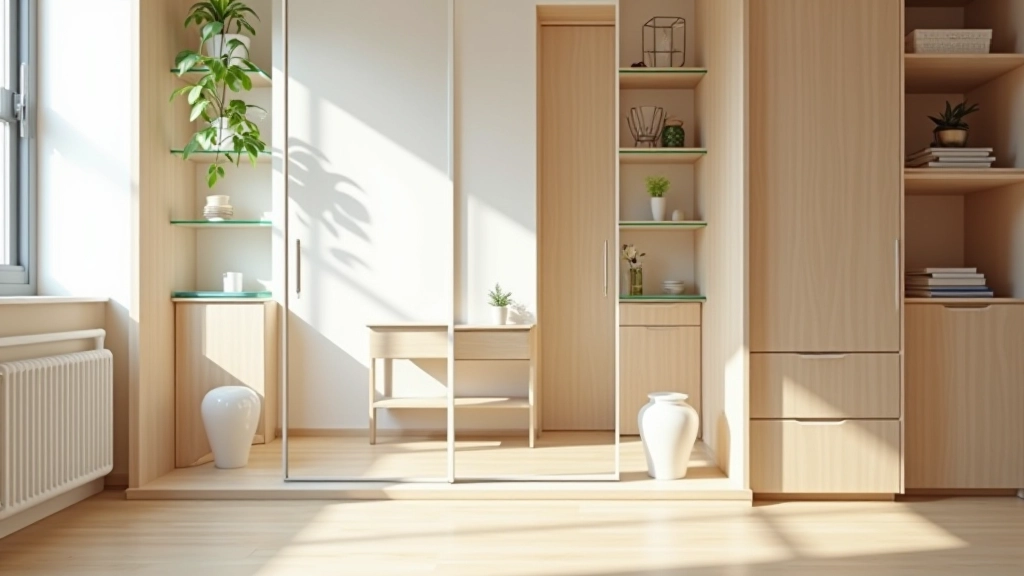
Beyond paint and bulbs, certain materials and objects bounce light around and maximize what you’ve got. Mirrors are the obvious choice — they reflect light and create the illusion of depth. A large mirror opposite a window doesn’t just look nice; it literally doubles the amount of light bouncing around your room.
Glossy and semi-gloss finishes on walls reflect more light than matte. If you’re willing to paint walls with semi-gloss, you’ll notice an immediate difference in brightness. Furniture with reflective surfaces — glass tops, metal frames, light wood — all contribute to that airy feeling.
Windows are your biggest light source. If you’ve got them, maximize what comes in. Sheer curtains let light through while providing privacy. Heavy curtains darken rooms; save those for bedrooms if you need blackout, but keep living areas bright. Even skylights or those small high windows that many older Kowloon buildings have — don’t block them. Let that light in.
Making It Real in Your Space
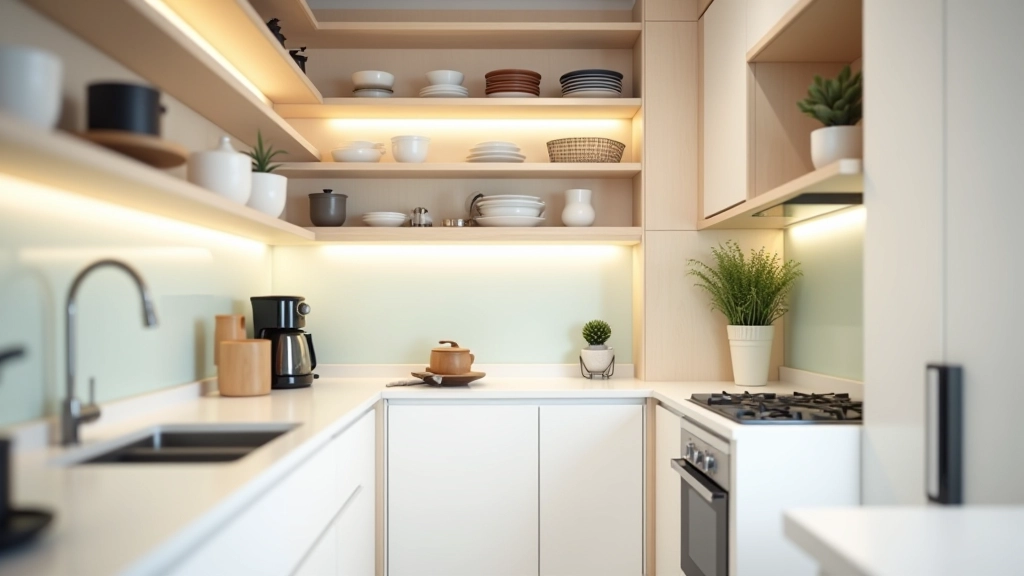
You don’t need a complete renovation to make your micro-apartment feel spacious. Start with one thing: paint your walls a light neutral color. That single change shifts how the entire room feels. From there, add layered lighting. Then introduce one accent color through textiles or a single wall. These aren’t expensive changes, but they’re genuinely transformative.
The psychology behind it is straightforward. Light reflects off light colors, making rooms brighter. Bright rooms feel bigger. Multiple light sources eliminate the shadows that make spaces feel cramped. Strategic accents add personality without overwhelming the space. You’re not fighting against your apartment’s size — you’re working with human perception to make the best of what you’ve got.
In Hong Kong’s compact living situations, this approach has proven results. We’ve seen hundreds of residents transform their spaces using exactly these principles. It’s about understanding how color and light work, then applying that knowledge thoughtfully to your specific apartment.