
The Right Dimensions Matter
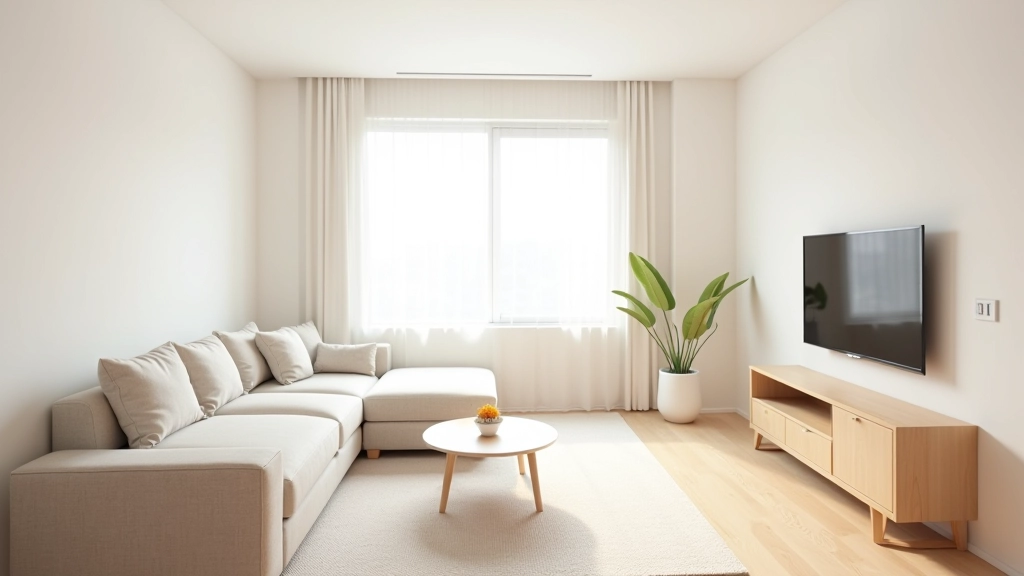
Let’s start with the basics. Your furniture needs to fit the scale of the room — literally and visually. A standard sofa might be 84 inches wide, which won’t work in a 12-foot-long living room. You’ll want pieces that sit between 48-72 inches for main furniture. That’s the range that works for most micro apartments without dominating the space.
Coffee tables shouldn’t exceed 36 inches in length. Beds should be minimal-profile frames — avoid ornate headboards that eat up wall space. The legs matter too. Furniture with visible legs (rather than skirted bases) creates visual lightness. When you can see floor beneath a piece, the room feels larger. It’s a simple trick, but it works.
We’ve found that storage pieces taller than 60 inches start to feel oppressive in small spaces. Better to go with lower storage units and use wall space for shelving instead. This keeps the visual weight distributed and prevents that boxed-in feeling.

Informational Note: This guide provides educational information about furniture selection principles for micro spaces. Dimensions and recommendations should be adapted to your specific apartment layout, ceiling height, and personal needs. Always measure your space before purchasing furniture, and consider consulting with a professional interior designer for customized advice.
Multi-Functional Pieces Are Non-Negotiable
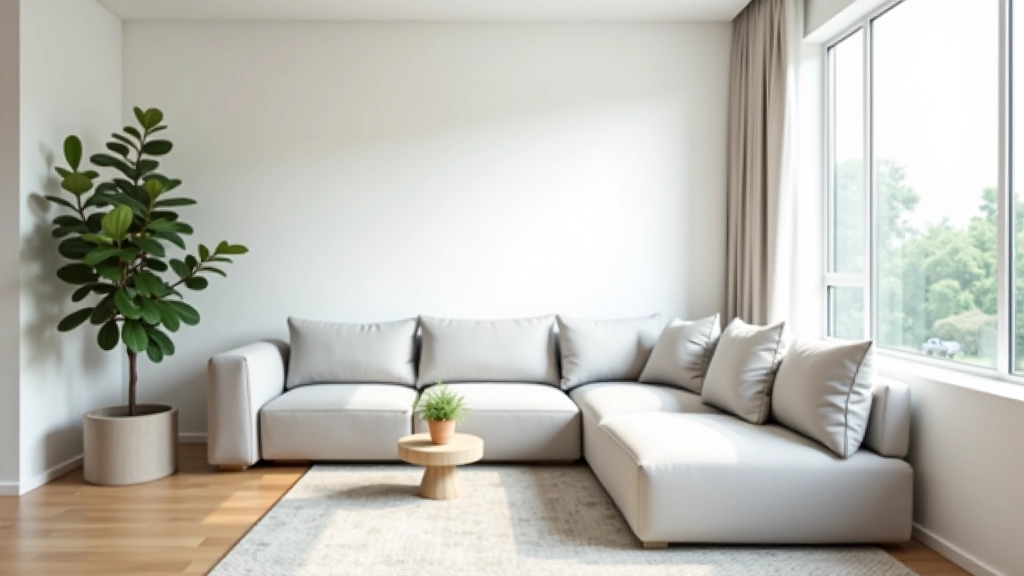
Here’s the reality: in a micro space, every piece of furniture should earn its place. That means multi-functional design isn’t a luxury — it’s essential. Ottomans with hidden storage, coffee tables that extend for dining, beds with built-in drawers beneath. You’re not compromising on style; you’re being strategic about space.
Wall-mounted desks that fold down are game-changers. They’ll give you a proper work surface without permanently occupying floor space. Similarly, nesting tables work brilliantly because you can separate them when needed or stack them away. Sofa beds don’t have to feel cheap anymore — quality options exist that actually look good when folded up.
The key is finding pieces where the second function feels intentional, not like an afterthought. If a storage ottoman looks like it was designed primarily as a seat (with storage as a bonus), it’ll work. If it looks like a storage box with cushions slapped on top, it’ll feel compromised.
Material and Color Choices
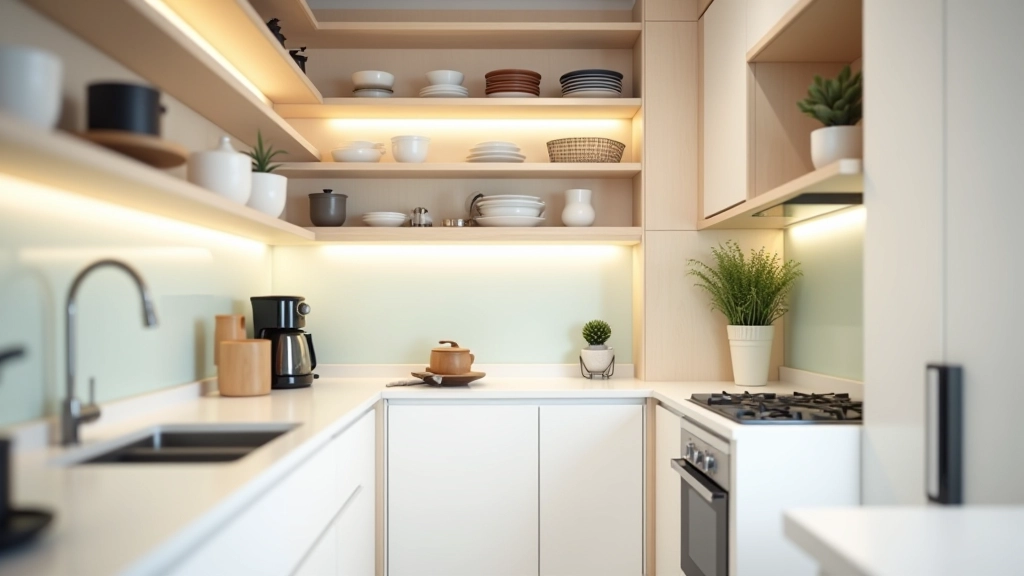
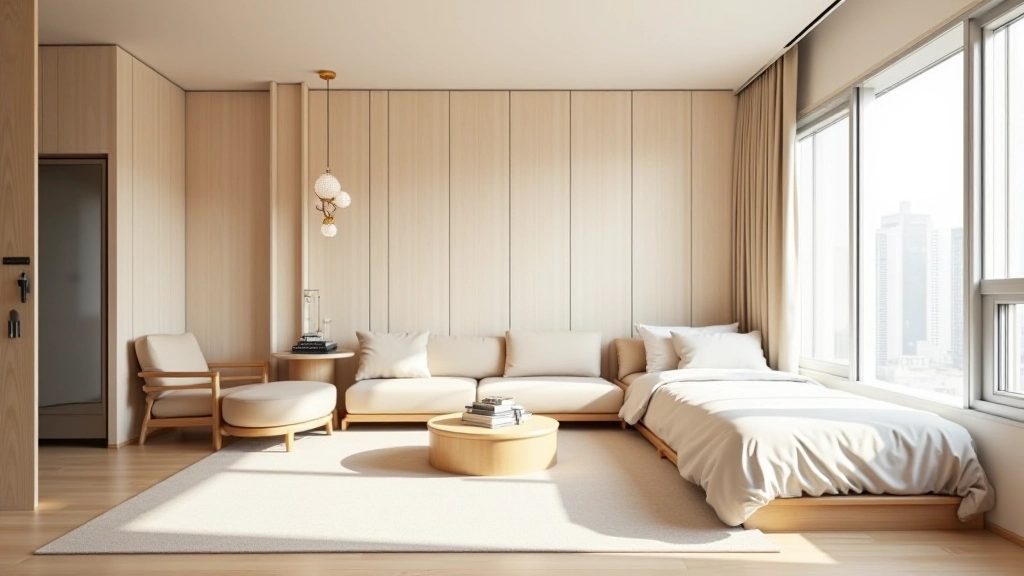
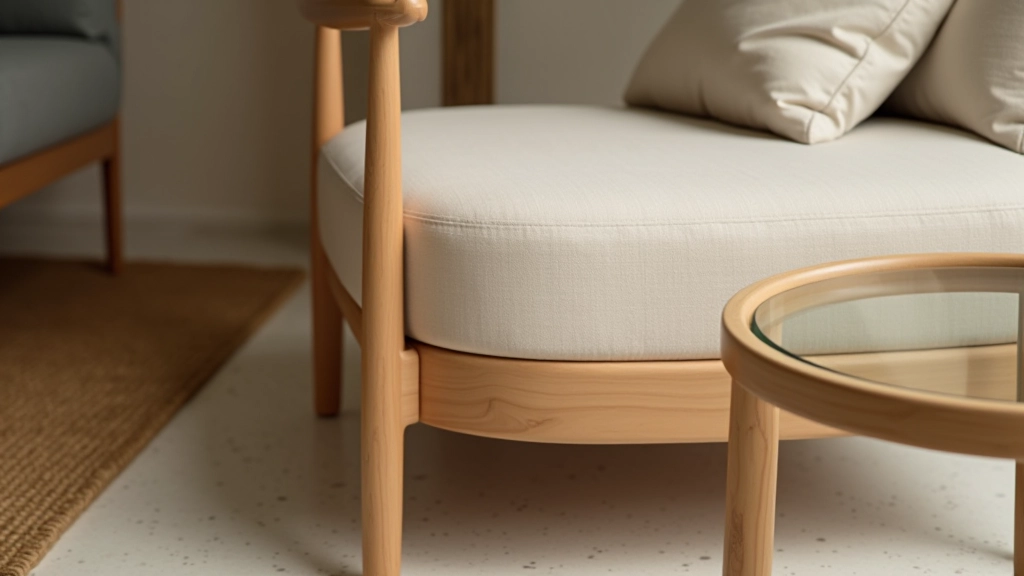
What your furniture is made of affects how spacious the room feels. Light woods (oak, birch, ash) feel more open than dark woods. Natural finishes reflect light better than heavily stained pieces. If you’re working with a 350-square-foot apartment, those reflective properties actually matter.
Metal frames and glass surfaces create visual transparency. A glass table with metal legs takes up floor space but doesn’t feel heavy. Upholstered furniture in light neutrals works better than dark, heavy fabrics. You’re not locked into one color palette, but lighter tones generally make spaces feel larger.
Don’t forget about texture though. Smooth surfaces can feel cold. Adding warmth through natural textiles — a wool rug, linen cushions, a jute storage basket — creates coziness without visual weight. The combination of light colors and natural textures is what transforms a micro apartment from feeling sparse to feeling intentional.
Practical Tips for Shopping
Before you buy anything, measure your space accurately. Not approximately — measure every dimension. Know your doorway width, ceiling height, and the exact footage of each room. Bring these measurements when shopping. Many people buy furniture that won’t fit through their apartment entrance because they didn’t measure properly.
Test pieces in person if you can. A sofa that looks compact in a showroom might feel enormous in your actual space. Sit on chairs, open drawers, and test mechanisms. If you’re buying online (which is often necessary), check return policies carefully. You need flexibility if something doesn’t work.
Consider the room’s existing features. If you’ve got a tiny kitchen, a full dining table won’t work. A drop-leaf table or a narrow console that doubles as dining surface might be the answer. If your bedroom is minimal, a low-profile bed frame is essential. Work with what you have rather than against it.
Making It Work
Furnishing a micro space doesn’t mean settling for less. It means being intentional about every choice. The right furniture selection actually improves your daily life — you’ll have exactly what you need, nothing you don’t, and everything will fit properly.
Start with the essentials: a bed, seating, and storage. Then add pieces that serve double duty. Choose light materials and colors that reflect light. Measure everything. Test things out. Don’t rush the process just to fill empty space.
The best micro apartments we’ve seen aren’t about how much stuff people fit in — they’re about how thoughtfully the space is arranged. Your furniture should work for you, not the other way around. When you get it right, a 350-square-foot apartment can feel completely sufficient and genuinely comfortable.