
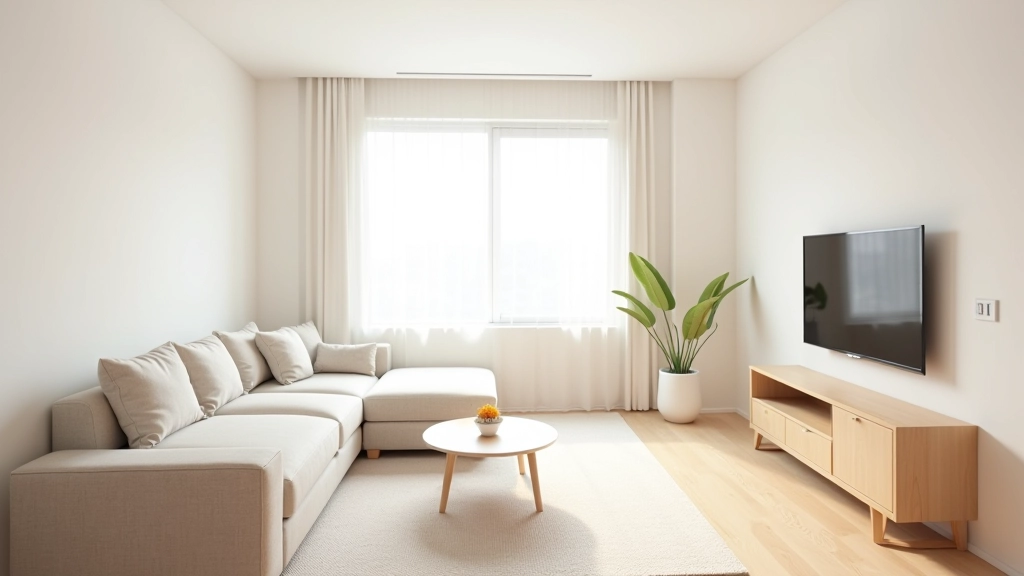
Furniture Selection for Micro Spaces
Discover which furniture styles and dimensions work best in apartments under 400 square feet. Learn to balance functionality with aesthetics.
Transform walls into storage opportunities. Explore shelving systems, wall-mounted organizers, and creative solutions that don’t consume floor space.
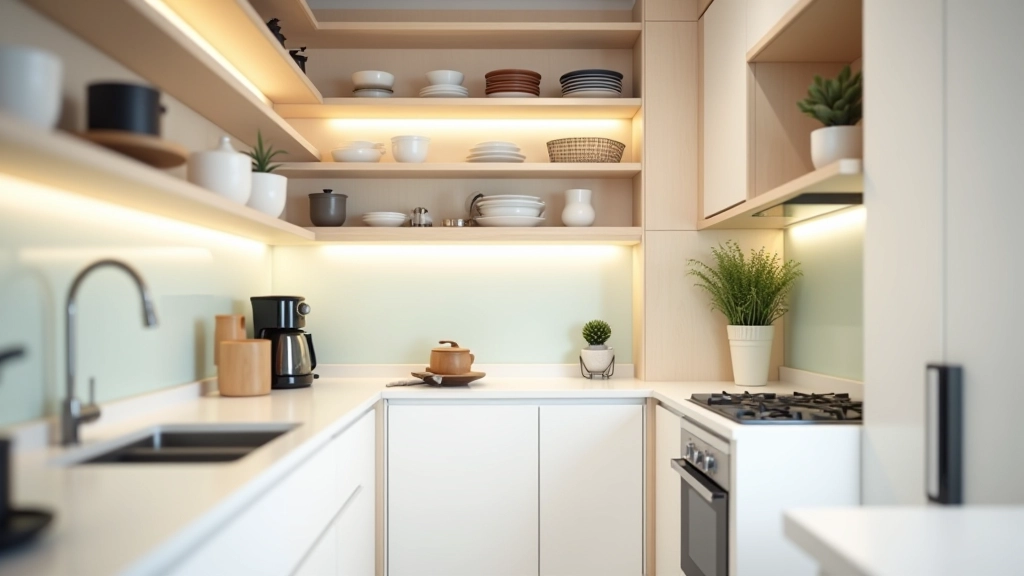
When you’re living in a micro flat, every centimeter matters. Floor space is precious, and traditional storage consumes it quickly. That’s where vertical storage comes in — it’s not just a space-saving trick, it’s a complete design philosophy. We’re talking about shelving that goes floor to ceiling, wall-mounted cabinets that hold twice as much, and organizational systems that make your walls work harder than your furniture.
The best part? You’ll actually be able to find things. No more digging through dark corners or stacking boxes. Everything’s visible, accessible, and organized. Plus, you’ll have room to move around in your own apartment.
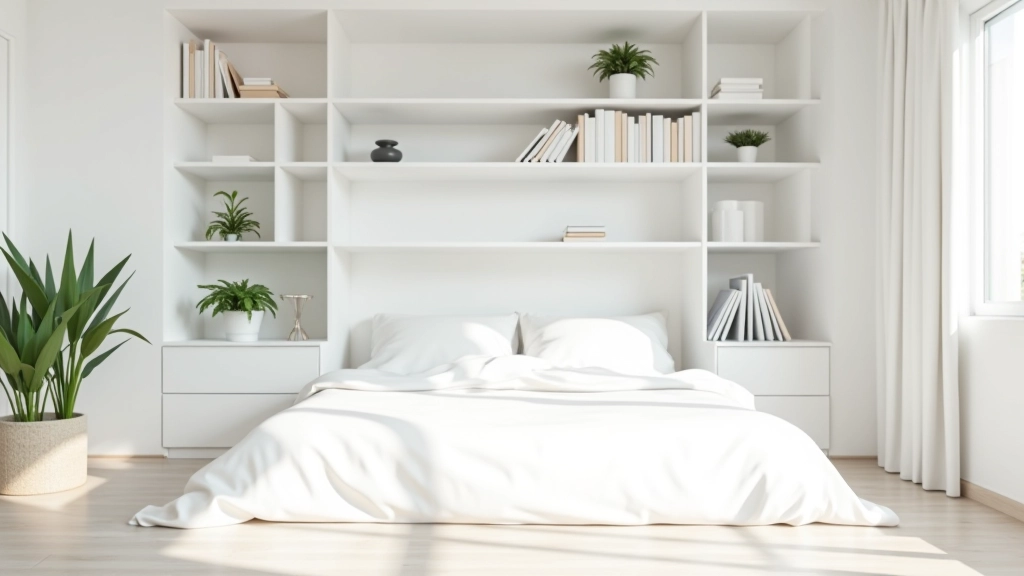

There’s a difference between throwing up some shelves and creating a proper shelving system. A real system considers weight distribution, visual balance, and how you’ll actually use the space. The most effective approach combines fixed shelves for heavy items (books, storage boxes) with adjustable shelves for flexibility.
The real secret? Install shelves at varying heights. Don’t space them evenly. Mix taller gaps for items you use frequently with tighter spacing for smaller things. You’ll be amazed how much more you can fit when you’re strategic about it.
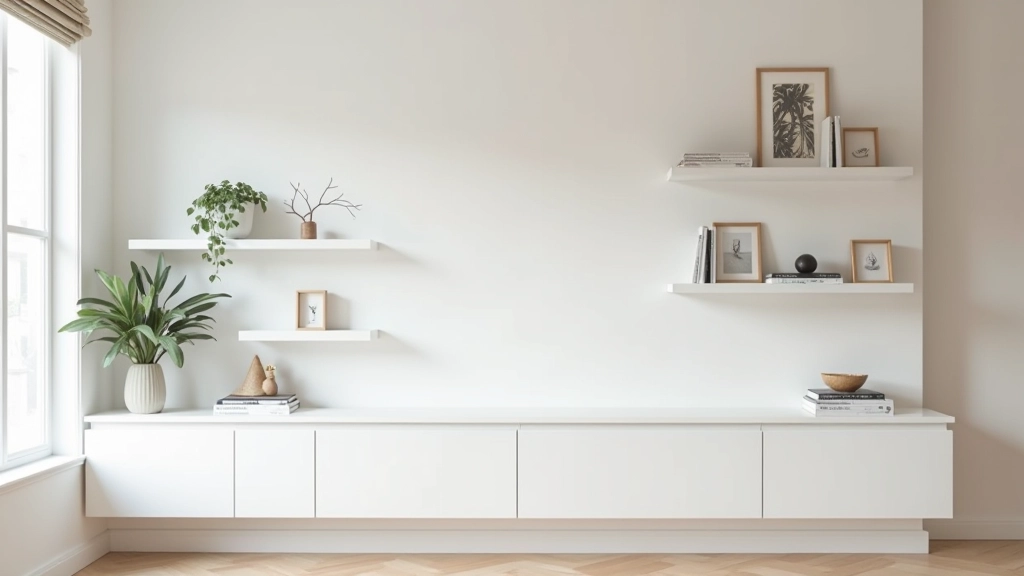
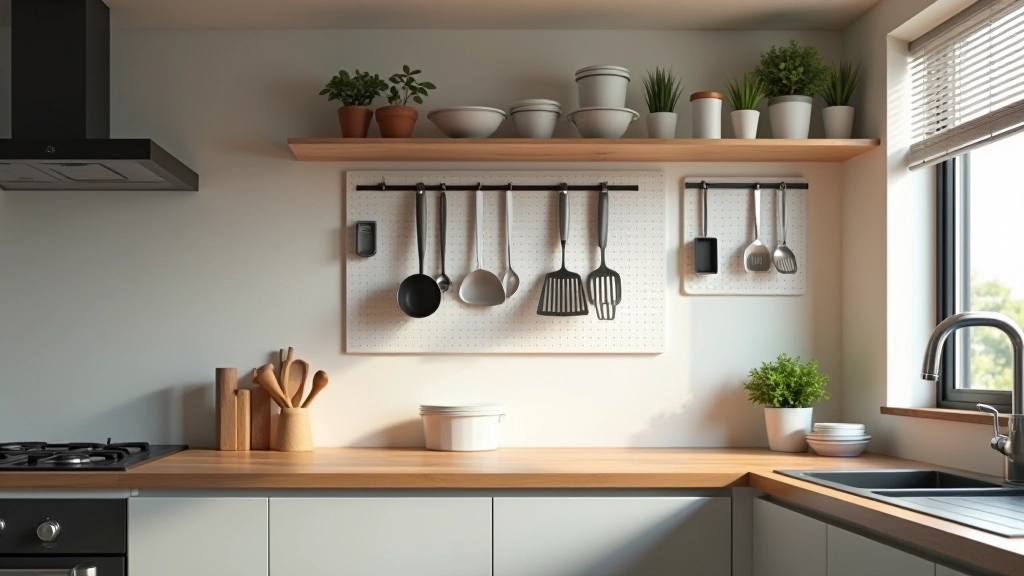
Wall-mounted storage is more versatile than most people realize. It’s not just shelves — there’s a whole world of options that can transform your space. Think magnetic strips in the kitchen (saves drawer space), pegboards in work areas, and hooks in bedrooms and entryways.
Here’s what we recommend: start by identifying your wall space. Every apartment has walls that aren’t being used. That blank wall above your desk? That’s storage real estate. The space beside your bedroom door? Perfect for a narrow organizer. You’re essentially finding vertical real estate you didn’t know you had.
More storage with wall systems
Floor space consumed
This article provides educational information about storage design principles and techniques. Always follow local building codes and safety regulations when installing wall-mounted storage. For renters, confirm installation policies with your landlord before mounting anything to walls. Weight capacity varies by wall type and mounting hardware — consult with a professional if you’re unsure about your specific situation.
Having storage is one thing. Having organized storage is completely different. You’ll need a system — and the best systems are the ones you’ll actually maintain. That means everything needs a place, and it needs to be intuitive enough that you’ll put things back.
Group similar items together. Kitchen tools in one zone, bedroom items in another. Don’t scatter related things across different shelves.
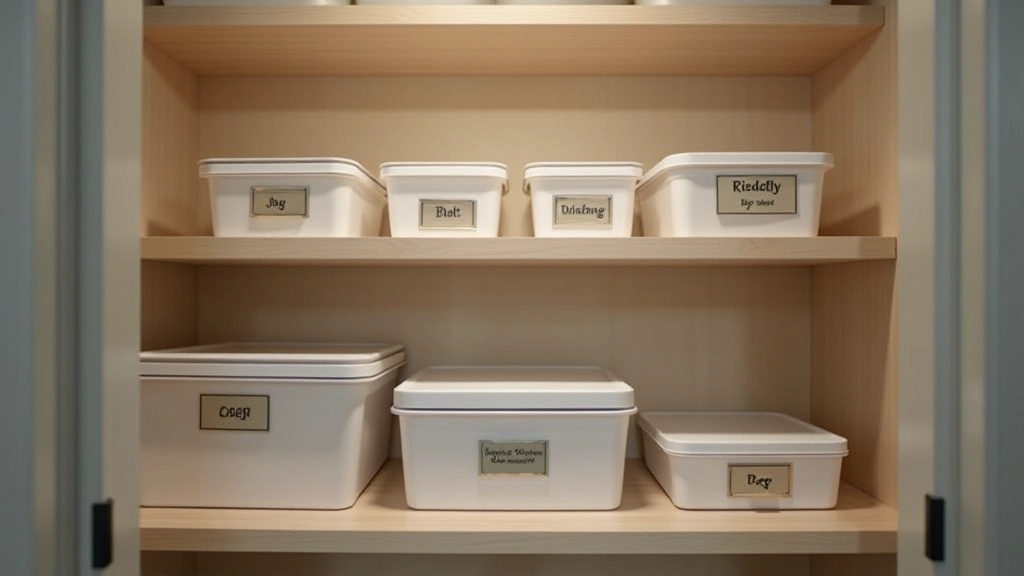
Transparent boxes and containers let you see what’s inside without opening them. Label everything clearly — it takes 30 seconds and saves you time daily.
Put things you use daily at eye level or within arm’s reach. Reserve high shelves and low corners for seasonal or occasional items.
Don’t overthink it. Start with these three principles and you’ll have a system that lasts. People often create complicated organizational schemes that they abandon after two weeks because they’re too much work to maintain. Keep it simple, and it’ll actually happen.
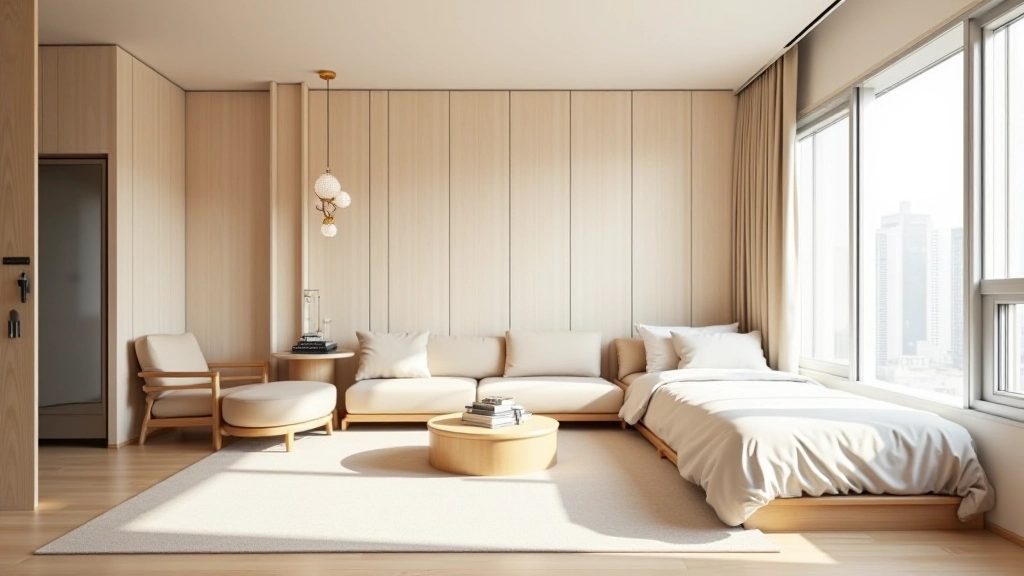
Vertical storage isn’t magic, but it’s close. You’re fundamentally changing how your apartment functions by using the space that was always there but never utilized. When you implement these systems properly, you’ll notice the immediate difference — more breathing room, easier to keep clean, and genuinely more comfortable living.
Start with one wall or one room. Don’t try to overhaul everything at once. Pick the area that frustrates you most — probably the kitchen or bedroom — and work through it systematically. Once you see how much more space you’ve created, you’ll want to expand the system naturally. That’s when you know it’s working.
The truth is, small spaces don’t feel small when they’re organized. They feel intentional and efficient. And honestly, that’s a better way to live than having tons of unused square footage that’s just cluttered.