
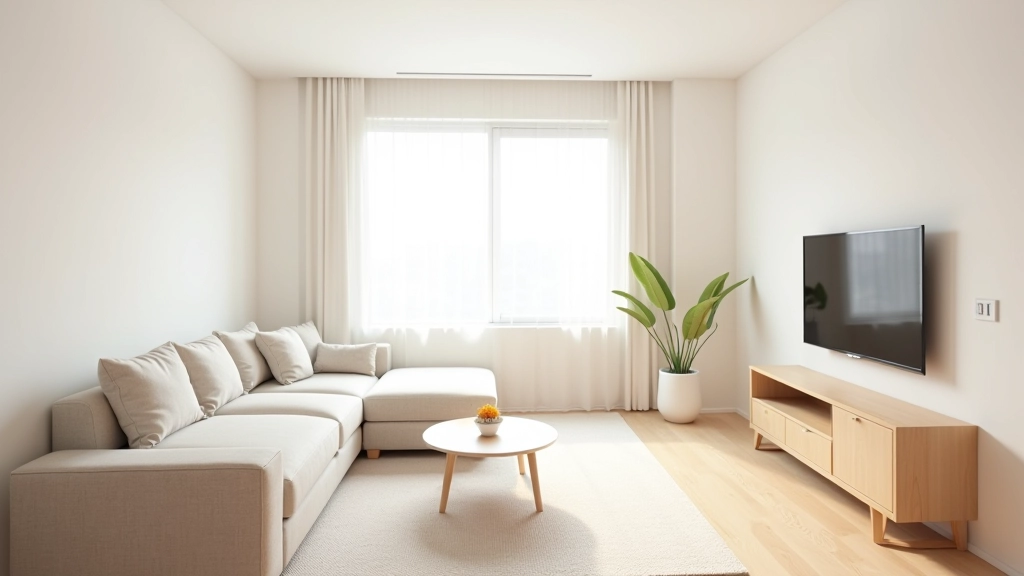
Furniture Selection for Micro Spaces
Discover which furniture styles and dimensions work best in apartments under 400 square feet. Learn how to choose pieces that maximize function without overwhelming your layout.
Create distinct living areas in open layouts using screens, furniture arrangement, and visual separation techniques perfect for studios and one-bedroom micro flats.
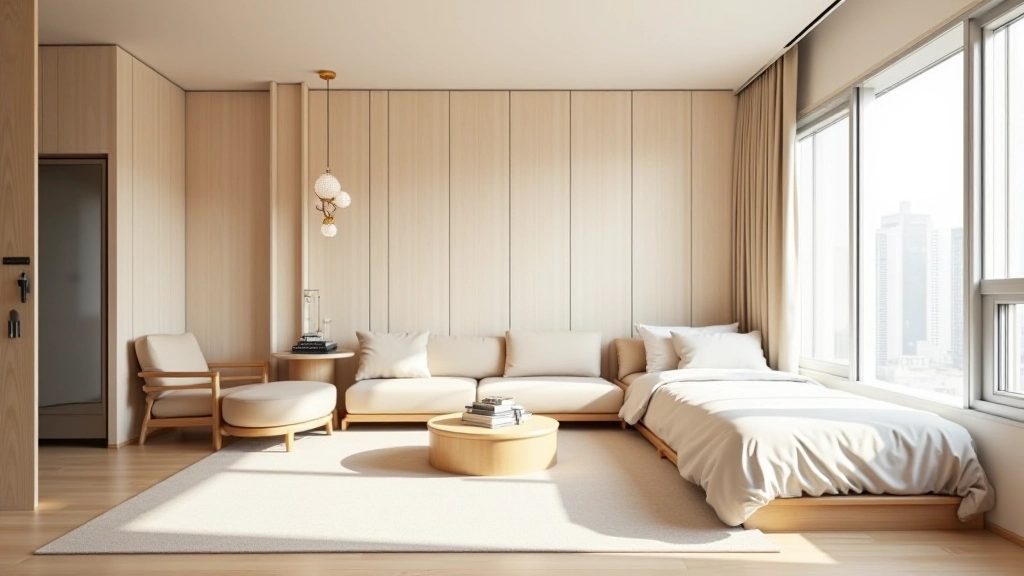
Living in a studio or one-bedroom flat doesn’t mean everything has to blend together. You’ll want distinct areas for sleeping, working, and relaxing—without building actual walls. It’s actually possible, and it’s easier than you might think.
The real challenge isn’t space. It’s making your compact living area feel intentional. When you divide zones properly, your 400-square-foot apartment suddenly feels more like a thoughtfully designed home. Plus, you’ll actually use your space better because everything has a purpose.

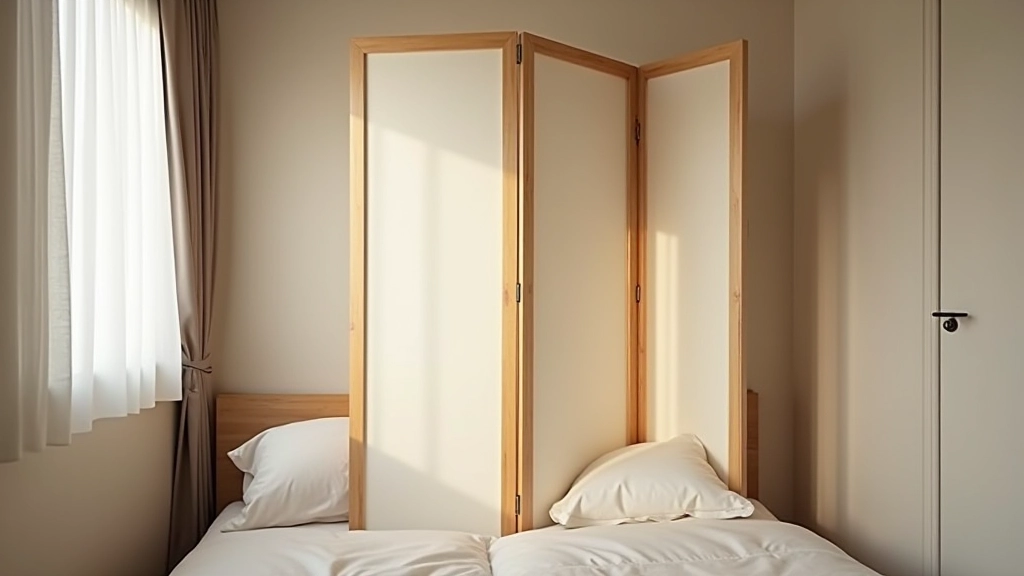
Folding screens are probably the most versatile tool in small-space design. They’re portable, affordable, and you can adjust them whenever you want. Unlike permanent walls, screens let you change your layout based on mood or need.
The key is choosing the right height and material. A 5-6 foot screen creates a psychological barrier without blocking overhead light. That’s crucial in compact apartments where natural light gets limited fast. Materials matter too—fabric screens absorb sound and feel softer, while wooden or rattan screens add texture and warmth.
You don’t need anything expensive. Local markets in Mong Kok and Sham Shui Po have quality screens starting around HK$500. Position yours at a slight angle rather than straight across—it creates visual interest and makes the space feel less divided.
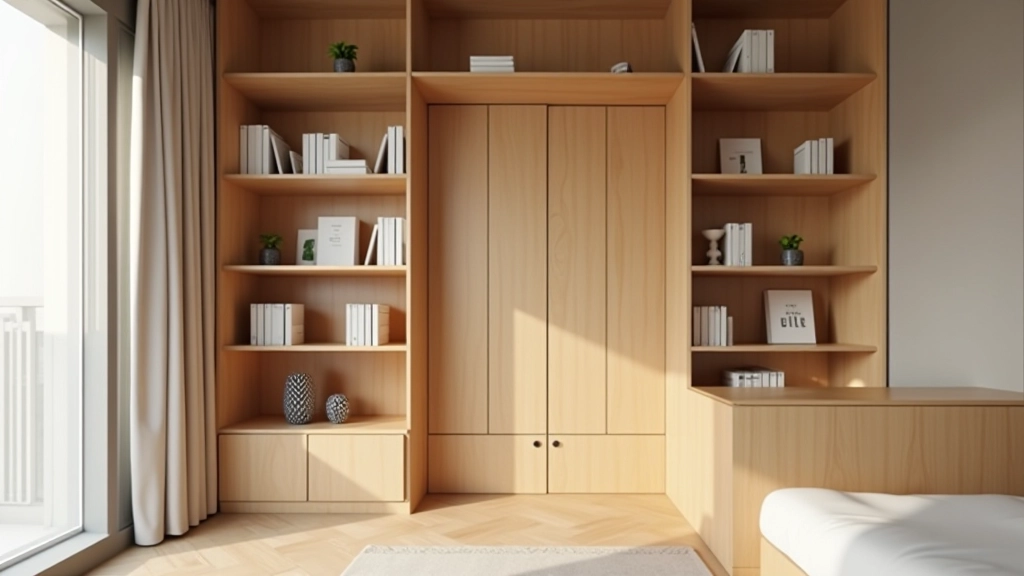
Here’s something most people miss: open shelving doesn’t just store things. It can literally divide space. A tall shelving unit—even an open one—creates a boundary between zones without closing off light or air.
The best approach is asymmetrical placement. Instead of centering a shelf unit, position it 60-70% across your space. This creates an interesting division that guides movement through the apartment naturally. You’re essentially creating a traffic flow that separates sleeping, working, and living areas.
Shelving height matters significantly. A unit that reaches 6-7 feet tall provides real separation while maintaining sightlines over the top. For apartments under 350 square feet, this is often better than full walls because it preserves the sense of openness.
This article provides educational information about interior design techniques for small spaces. While these methods are based on professional design principles, individual results depend on your specific apartment layout, ceiling height, natural lighting, and personal preferences. For apartments with structural concerns or rental restrictions, consult your landlord or a qualified structural engineer before implementing major changes. The information presented is intended for learning purposes and should be adapted to your unique living situation.
You don’t need accessories to divide space—furniture itself does the job. A low sofa with its back facing the bedroom area creates a psychological boundary. It tells your brain that you’re entering a different zone even though there’s no physical wall.
The trick is using furniture height strategically. Your sleeping zone needs a low visual profile—bed and small nightstand only. Your living zone can have taller pieces like a sofa or bookshelf. This height variation creates distinct areas without cramping the space.
Don’t push everything to walls either. A floating bed frame (raised on a platform, not pushed against the wall) creates a natural sleeping zone in the center of your space. It’s unconventional, but it works brilliantly in 350-450 square foot apartments.
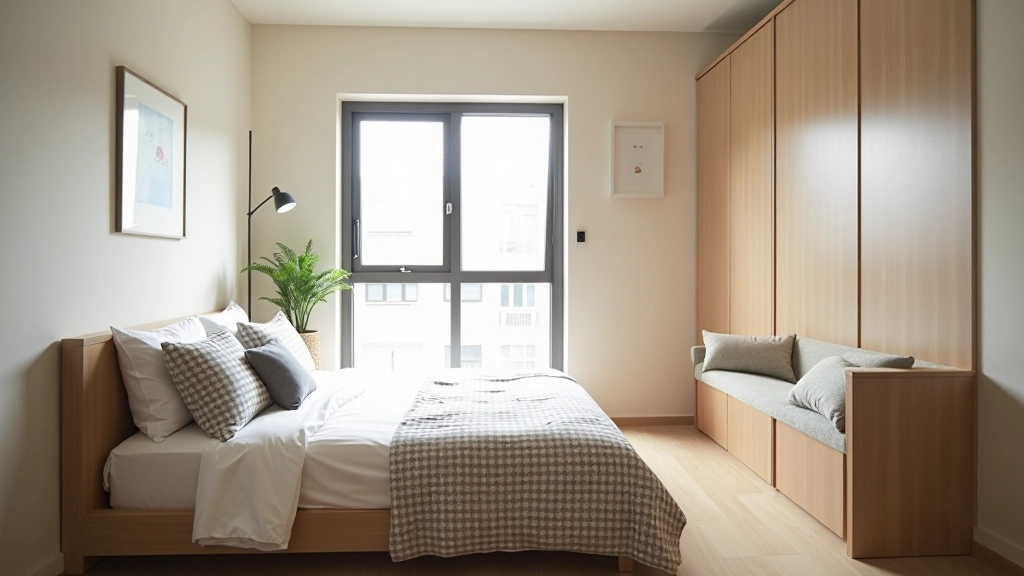
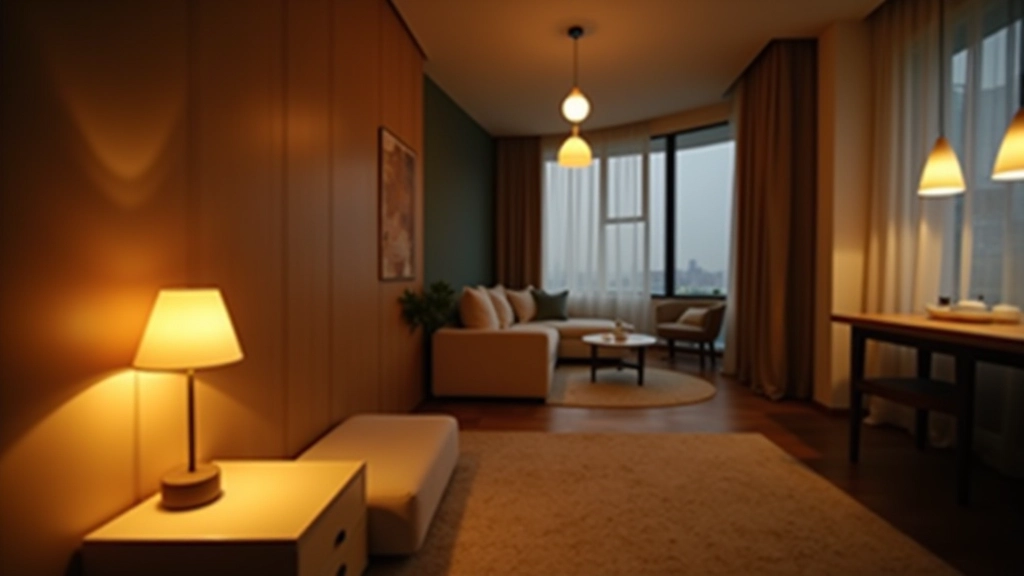
This is the secret weapon most people ignore. Different lighting in different zones makes them feel completely separate even in an open layout. Your bedroom zone needs warm, dimmable lighting. Your work zone needs brighter, cooler light.
Use multiple light sources instead of one central fixture. A desk lamp in your work area, a bedside lamp in your sleeping zone, and a standing lamp in your living area create distinct visual separation. Each zone gets its own light personality.
Color temperature is crucial too. Warm light (2700K) in sleeping areas makes you feel relaxed. Cooler light (4000K) in work zones keeps you alert. The contrast between zones becomes even more pronounced. You’re training your brain to recognize different spaces through light alone.
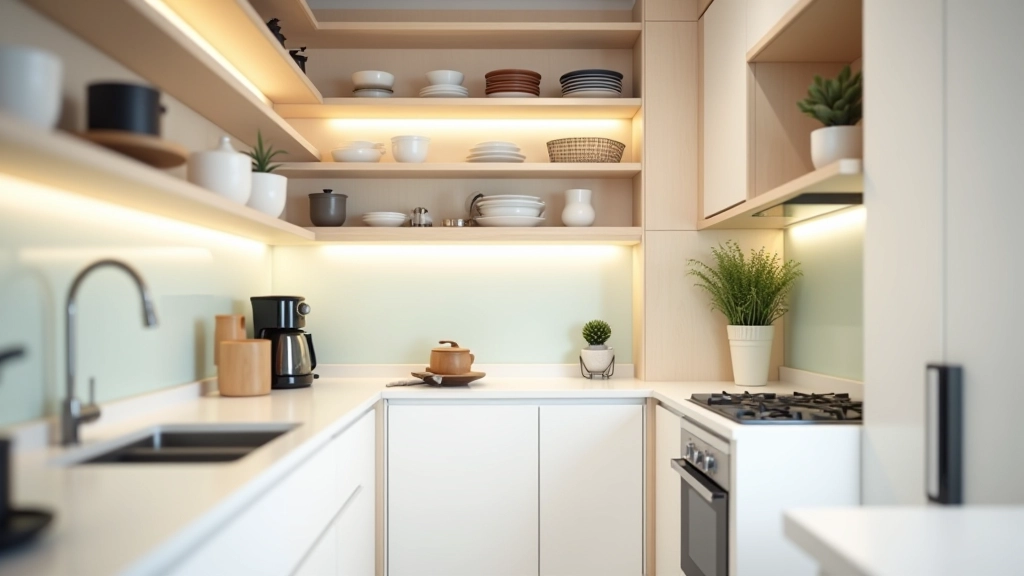
Zone division without walls isn’t about creating fake rooms. It’s about making your compact apartment feel intentional and functional. You’re essentially creating visual and psychological boundaries that transform a single open space into multiple purposeful areas.
Start with one technique—maybe a folding screen or repositioning your furniture. See how it feels for a week. Then layer in another approach, like different lighting. The best micro-flat designs evolve gradually as you understand what works for your specific layout and lifestyle.
Your 350-square-foot studio doesn’t need to feel cramped. It can feel spacious, organized, and genuinely livable when you divide it thoughtfully. That’s the real value of these techniques.